
Tuscan cuisine is one of the great regional cuisines of Europe: based on the cucina povera tradition (peasant food that became high cuisine), centred on bread, olive oil, beans, and grilled meat, and almost entirely designed to be paired with the local wine. To eat Tuscan food without Tuscan wine is to miss the point.
The pairing principles are simple. Chianti Classico — Sangiovese, high acidity, firm tannin — goes with almost everything in Tuscany because Tuscan food is structured around it. The Bistecca alla Fiorentina without Chianti is a steak. With Chianti, it’s the dish that defines the region.
The Pairings
Crostini Toscani + Chianti Colli Senesi
The starter: chicken liver pâté on toasted bread. Rich, savoury, slightly gamy. Pair with a lighter Chianti from the Siena hills — the Colli Senesi sub-zone has higher altitude and more perfume.
The wine: Castello di Ama Chianti Classico or Felsina Berardenga Chianti Classico.
Pici Cacio e Pepe + Vernaccia di San Gimignano
The hand-rolled thick spaghetti with pecorino and pepper. The classic Tuscan pasta. Pair with the white wine of the region: Vernaccia di San Gimignano, the first DOC in Italy (1966).
The wine: Teruzzi & Puthod Terre di Tufo or Panizzi Vernaccia.
Ribollita + Chianti Classico
The twice-cooked bread soup with cabbage, beans, and cavolo nero. Substantial, hearty, requires a wine with body.
The wine: Fontodi Chianti Classico or Volpaia Chianti Classico.
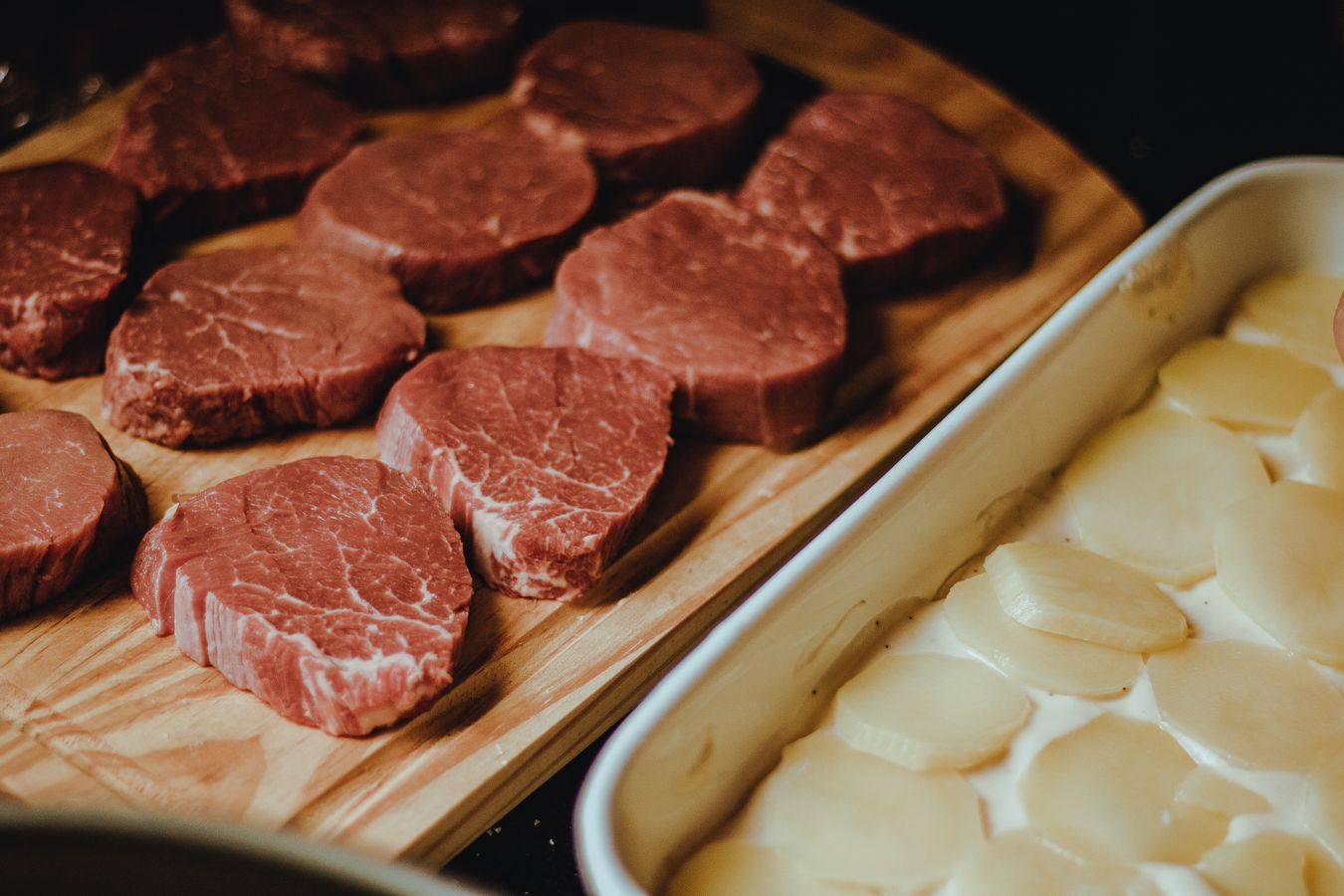
Bistecca alla Fiorentina + Chianti Classico Riserva
The T-bone steak, grilled over wood, served rare. The dish that defines Tuscany. The wine must be substantial: Chianti Classico Riserva, Brunello di Montalcino, or Vino Nobile di Montepulciano.
The wine: Castello di Brolio Chianti Classico Riserva or Biondi-Santi Brunello.
Cinghiale in Umido + Vino Nobile di Montepulciano
Wild boar stewed in red wine. The meat is gamey, the sauce is rich. The wine needs tannin and dark fruit.
The wine: Poliziano Vino Nobile di Montepulciano or Avignonesi Vino Nobile.
Pecorino Toscano + Brunello di Montalcino
Aged sheep’s milk cheese with the most serious Tuscan red. The pairing is a serious wine-country dinner party move.
The wine: Banfi Brunello di Montalcino or Castello Banfi Poggio alle Mura.
Cantucci + Vin Santo
The almond biscotti, dipped in Vin Santo — the dessert wine of Tuscany made from dried grapes. The combination is the end of every Tuscan meal.
The wine: Avignonesi Vin Santo (the serious version) or Castello di Ama Vin Santo.
Pappa al Pomodoro + Rosato
The bread and tomato soup, summer staple. Lighter food, lighter wine. Drink the local rosé.
The wine: I Veroni Rosato or any Tuscan rosato from Sangiovese.
Trippa alla Fiorentina + Morellino di Scansano
The tripe stew, slow-cooked, served with parmesan. The wine is the Morellino from the southern Tuscan coast: Sangiovese with more body, more tannin.
The wine: Le Pupille Morellino di Scansano or Poliziano Morellino.
Acqua Cotta + Vermentino
The bread soup with vegetables and poached egg. Often eaten for breakfast. Pair with the white wine from the Tuscan coast.
The wine: Antinori Vermentino or Le Mortelle Vivia.
Schiacciata all’Uva + Vin Santo Occhio di Pernice
The grape focaccia, baked in autumn with fresh grapes. Sweet, yeasty, fruit-forward. The Occhio di Pernice is the rare Tuscan dessert wine made from Sangiovese.
The wine: Avignonesi Occhio di Pernice (if you can find it) or any Vin Santo.
Cacciucco + Vermentino or Rosato
The Livorno fish stew — five different seafoods in a tomato and saffron broth. Big flavour, requires wine with structure.
The wine: Le Pupille Saffredi (the white version) or a serious Vermentino.
The Honest Numbers
Tuscan wines range from €10 for an entry-level Chianti to €500+ for a serious Brunello Riserva. The everyday wines — Chianti Classico from a serious producer, Vernaccia di San Gimignano, Vermentino — are widely available and reasonably priced.
The serious wines — Brunello di Montalcino, Vino Nobile Riserva, the top Chianti Classico — are worth the expense if the occasion justifies it.
What I’d Bring Home
- Two bottles of Chianti Classico (Fontodi, Felsina, or Volpaia) for everyday drinking
- One bottle of Brunello di Montalcino (Biondi-Santi or Banfi) for a special occasion
- One bottle of Vernaccia di San Gimignano for summer pasta
- One bottle of Vin Santo for the end of a serious meal
Disclosure: This post contains affiliate links marked with ✱ to booking platforms I personally use; they do not change the price you pay and they do not change what I write.