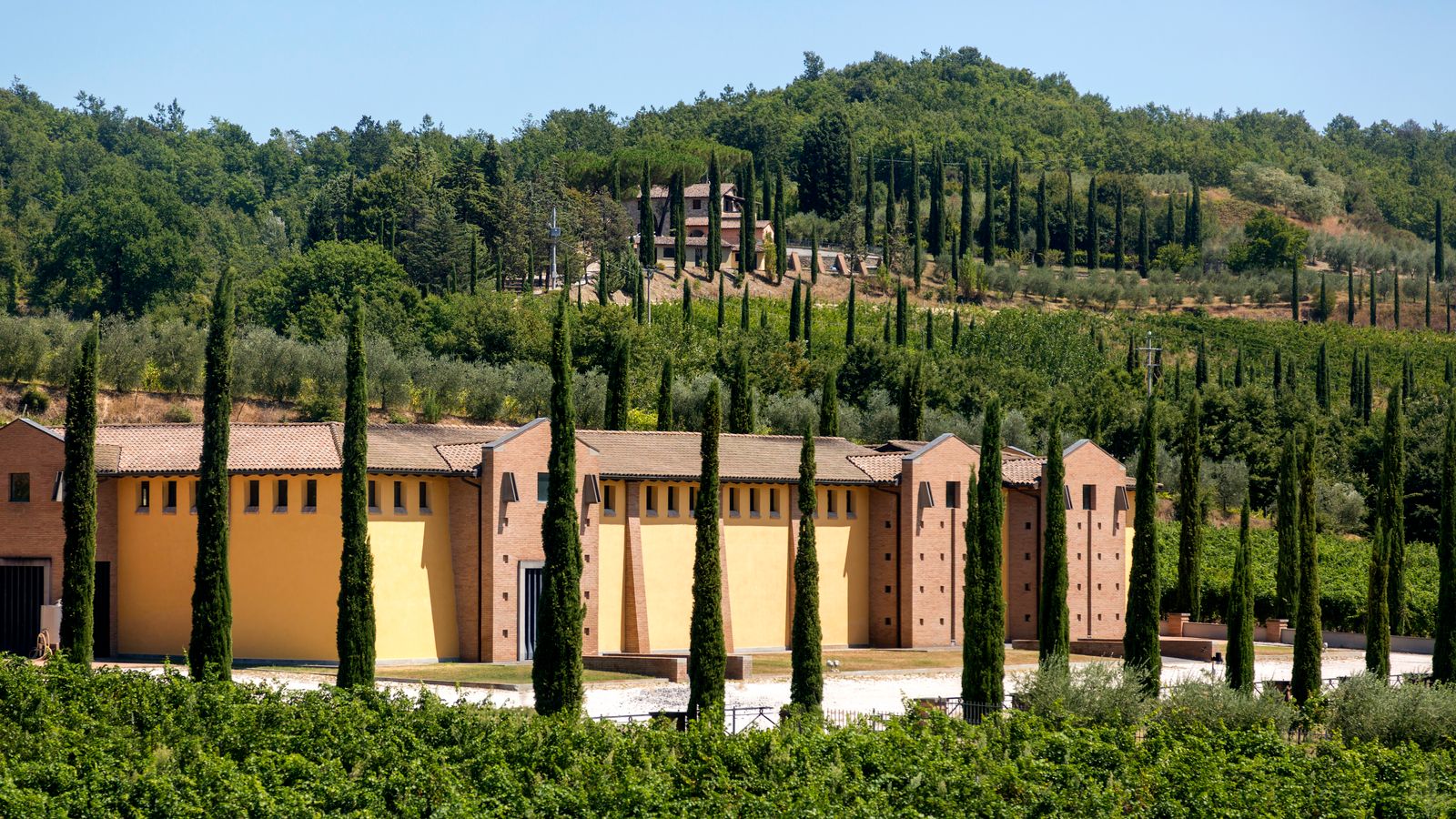

October is the month Tuscany becomes itself. The summer tourists are gone, the heat has broken, the Sangiovese grapes are in the cellar, and the wines from the previous harvest are finishing their fermentations. The light is golden, the food is heavier than summer, and the wine matches both.
A week in Chianti Classico in October is the best time of year to visit wine country in Europe.
Logistics
Fly to Florence. Rent a car at the airport. Drive 30 minutes south to the Chianti Classico zone. Stay in Greve in Chianti for the first half of the week and Radda in Chianti for the second half. Both are small villages with good restaurants, basic hotels, and central positions for visiting the vineyards.
Avoid Florence itself as a base. The driving distance to the best producers is too far, and the parking is impossible.
Days One and Two: Greve and the Western Chianti
Greve
The most touristy town in Chianti Classico. The Piazza Matteotti has a triangular shape, an outdoor market on Saturdays, and more wine shops than you can visit in a day.
Start at Enoteca Falorni — the wine shop that’s been on the piazza for generations. The selection is comprehensive. The staff are knowledgeable. The bottles are reasonably priced.
Castello di Lamole
A 15-minute drive north of Greve. Lamole di Lamole is the producer. Their Chianti Classico from the high-altitude Lamole vineyards is one of the more distinctive wines in the zone — floral, mineral, almost Burgundian in character.
Castellina in Chianti
Drive 20 minutes south. The village is small, the restaurants are good, and the Via delle Volte — an underground medieval street — is worth a visit. Osteria di Castellina does a serious pici cacio e pepe.
Day Trip: San Gimignano
30 minutes west of Greve. The medieval towers are the attraction. Vernaccia di San Gimignano is the wine. Teruzzi & Puthod and Panizzi are the serious producers. The white wine is food-friendly, mineral, and widely available.
Days Three and Four: The Heart of Chianti Classico
Radda in Chianti
The most beautiful village in the Chianti Classico zone. Tiny, hilly, surrounded by vineyards. Osteria Le Panzanelle does serious Tuscan food at honest prices. Eat the pici with the ragu.
Volpaia
A 15-minute drive from Radda. Castello di Volpaia is the producer. The village is a medieval hamlet that’s been continuously occupied since the 1100s. The winery is in the cellar of the village. Book a tour; the visit includes the village itself.
The wines: Chianti Classico (the entry), Riserva (more serious), and Coltassala (the 100% Sangiovese from a single vineyard). Drink the Coltassala with bistecca.
Panzano
Dario Cecchini’s territory. Antica Macelleria Cecchini is the world-famous butcher. Eat the bistecca (he’s been known to refuse to cook it medium well), or the tagliata, or just the crostini. Buy the wine from the next-door producer, Fontodi.
The Granite Road
Drive from Panzano to San Donato in Poggio along the SP49. The road climbs through chestnut forests and vineyards. The views are some of the best in Tuscany. Stop at Castello di Ama in Lecchi for the wine and the contemporary art collection that’s installed throughout the estate.
Days Five and Six: South to Castelnuovo Berardenga
Castelnuovo Berardenga
The southernmost commune in the Chianti Classico zone. Felsina is the producer — their Berardenga Chianti Classico is consistently excellent, and the Rancia Riserva is one of the great values in Italian wine.
Brolio Castle
Barone Ricasoli owns the castle and the vineyards around it. Their Castello di Brolio Chianti Classico is the everyday wine. The Casalferro is the single-vineyard Merlot that breaks the Sangiovese rule and produces something genuinely serious.
The castle tour is a serious history lesson. The wine is a serious lesson in what Chianti Classico can be.
Day Trip: Siena
20 minutes from Castelnuovo. Siena is one of the great Italian cities. The Duomo is the attraction. Eat at Osteria Le Logge in the centre. Drink Brunello di Montalcino for lunch, which is rule-breaking but excellent.
Day Seven: Return via Florence
Drive back to Florence. Drop the car. Spend the afternoon in the city.
All’Antico Vinaio does the world’s best schiacciata. The line is 30 minutes. It’s worth it. Pair with a glass of Chianti Classico from the bottle shop across the street.
The Honest Budget
| Item | Cost |
|---|---|
| Flights to Florence | €100–200 |
| Car rental, 1 week | €200–300 |
| Hotel, 6 nights | €500–800 |
| Meals (7 days) | €400–700 |
| Wine purchases | €300–500 |
| Total | €1,500–2,500 |
What to Bring Home
A case of serious Chianti Classico. Either:
- Six bottles of Fontodi Chianti Classico (drink over 5 years)
- Six bottles of Felsina Rancia Riserva (drink over 10 years)
- Two of each: Castello di Ama, Volpaia Coltassala, Felsina Rancia, Fontodi
Disclosure: This post contains affiliate links marked with ✱ to booking platforms I personally use; they do not change the price you pay and they do not change what I write.