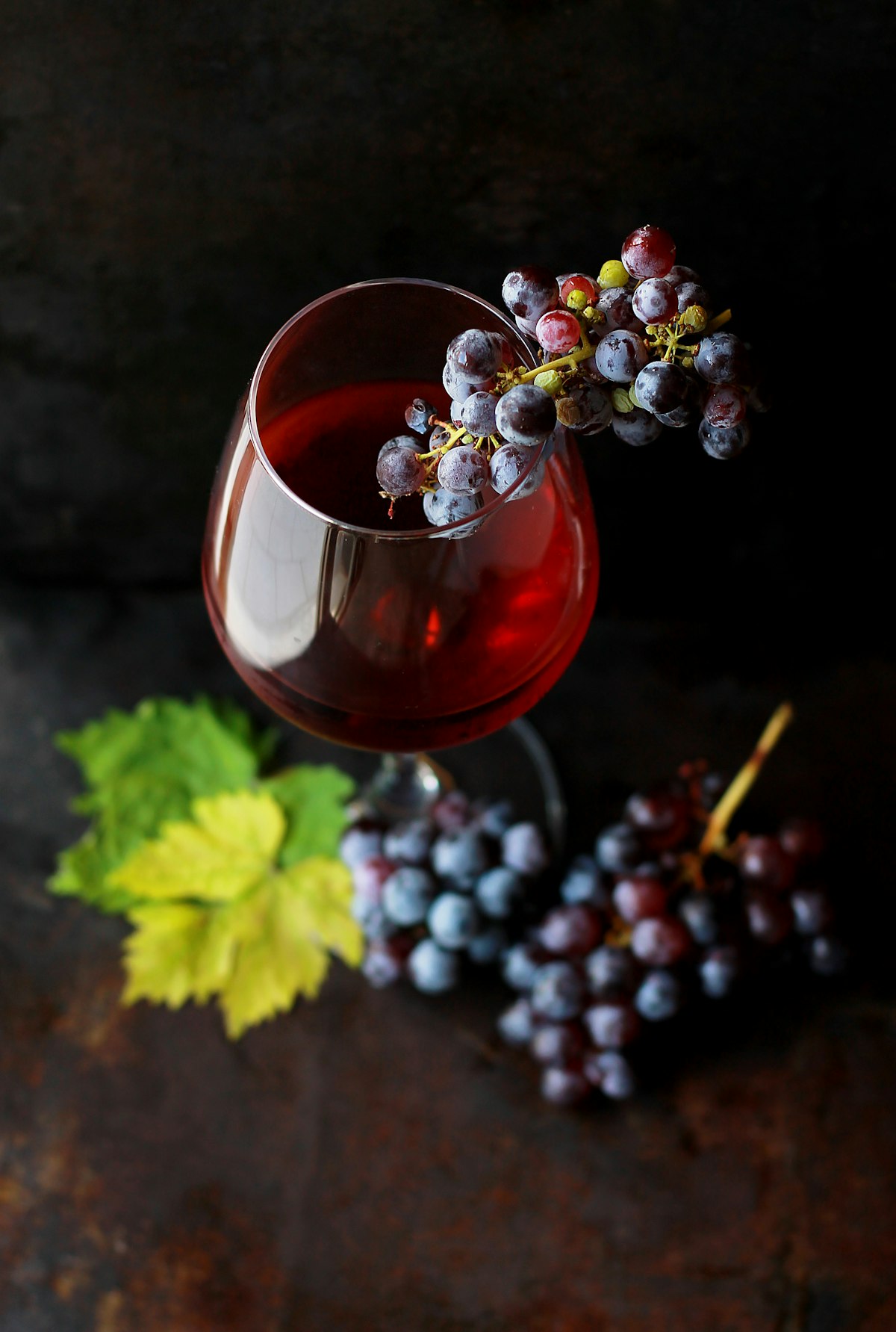

Piedmont is the region that serious wine people go to when they’ve been everywhere else and want to go somewhere that still rewards attention. The hills of the Langhe — the area around Barolo and Barbaresco — are not beautiful in the postcard sense. They are beautiful in the way of old, cultivated, human-touched landscapes: the vineyards are carved into hillsides with mathematical precision, the towers of the medieval towns rise above the vines, and the light in autumn, when the harvest is happening and the morning fog sits in the valleys, is unlike anywhere else.
Four days is the minimum time to spend here. Three is not quite enough, and five or six is better. But four will give you the core of it.
Day One: Alba and the White Truffle
The white truffle (tartufo bianco) is Piedmont’s other great product, and the town of Alba is its center. The truffle market runs from October through January, and if you’re in Piedmont during those months, Alba is where you need to be. The tartufo is not cheap — a single truffle can cost hundreds of euros — but the local restaurants know what to do with it, and a simple pasta with shaved truffle and butter is one of those eating experiences that justifies a trip.
This is also a good day to calibrate. After the drive from Milan or Turin, and before you’ve done any serious tasting, eat well, sleep early, and prepare for the next three days.
Day Two: Barolo
Barolo is the more famous of the two Nebbiolo appellations, and it produces wines of greater structure and aging potential. The town is small — essentially one main street — but the vineyards surrounding it are where some of the most important wine in Italy is made.
The Cannubi hill is the most famous vineyard, and Cannubi 1856 is one of the reference addresses. Paolo Scavino is the producer to visit if you want to understand the evolution of modern Barolo — their wines from the 1990s are considered among the best made, and the current releases show the same attention to terroir.
Vietti is the other essential stop. Their Brunate Riserva is consistently one of the finest expressions of Nebbiolo in Barolo, and their Woodhouse — a small enoteca and wine bar run by a former Vietti family member — is where you drink it.
Book tastings ahead. The producers in Barolo are small and often don’t have the staff to receive walk-ins.
Day Three: Barbaresco and the Barbaresco side
Barbaresco is smaller and, many would argue, more elegant than Barolo. The wines are generally less tannic, more aromatic, and faster to develop. The hill of Rabaja, above the village of Barbaresco, is one of the finest vineyards in the appellation.
Produttori del Barbaresco is the cooperative that defines value in the region. Their straight Barbaresco, from a blend of parcels across the appellation, is consistently excellent and priced well below the estate bottlings. Their single-vineyard riservas, produced only in excellent vintages, are among the most collectible wines in Italy.
Marchesi di Grésy is the other essential visit, particularly for their Martinenga and Monte Aribaldo wines.
Day Four: The Food and the Drive
The Langhe produces not just wine but some of Italy’s best food. Tajarin — thin egg pasta with butter and truffle — is the regional specialty and worth the trip alone. The bistecca alla piemontese is different from its Florentine cousin: thinner, more buttery, and served with the bone. The hazelnuts are extraordinary.
Drive the back roads between Barolo and Barbaresco. The main road is fine; the back roads are better. Stop at the vineyards. Read the signs. The Langhe rewards the slow approach.