
The Mosel river bends around itself so many times between Trier and Koblenz that the total distance is nearly 250 kilometers for a journey that a straight line would cover in about 100. The road follows the river, and the vineyards climb the valley sides behind the river, and if you drive it slowly — which you must, because the road is narrow and the bends are constant — it is one of the most beautiful wine routes in the world.
The Riesling that comes from the steep slate slopes above those river bends is one of the most distinctive white wines in the world. It is also, to many wine drinkers, a mystery. The flavor profile — petrol, slate, lime, a mineral intensity that seems to come from nowhere — is unlike anything else.
Why the Slopes Matter
The Mosel valley is a geological accident that made wine possible. The river carved the valley, and the vineyard slopes that resulted are steep enough to catch the sun, which is the critical factor in this northerly latitude. At 50 degrees north — roughly the same latitude as Winnipeg — the Mosel shouldn’t be able to ripen grapes reliably. But the combination of slate soil, south-facing slopes, and the river’s reflected heat creates a microclimate that makes Riesling possible.
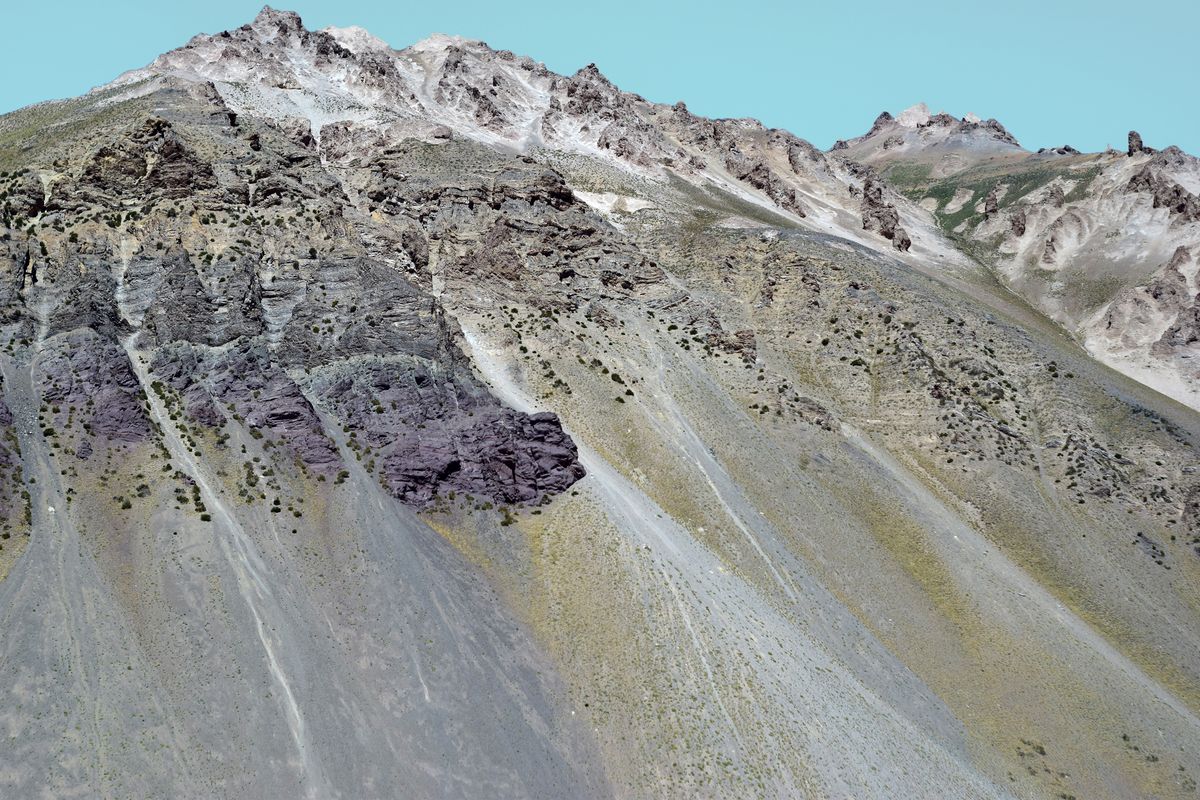
The slate is the most important factor. The Grey Slate (Grauschiefer) and Red Slate (Rotschiefer) soils of the Mittelmosel absorb heat during the day and release it at night, extending the growing season and giving the Riesling its distinctive mineral character. This is terroir in its most literal form: the soil is not just where the vine grows, it is an active heating element.
The steepness is what makes the slate relevant. A slope of 30, 40, 50 degrees — some of the Mosel’s best vineyards are nearly vertical — gets more direct sunlight than a flat field would, and it drains perfectly. Vines on these slopes are trained on wires running up and down the slope, a system called “rebenbau” that allows the steepest viticulture in Europe.
The labor required to farm these vineyards is immense, which is why many of them have been abandoned as farming economics became more difficult. The ones that remain are the source of the world’s greatest Riesling.
The Prädikat System: What the Labels Mean
Mosel Riesling labels use a system of must weights — essentially, a measure of how much sugar was in the grape juice at harvest — to determine the wine’s classification. The categories from driest to sweetest:
Kabinett: The lightest, most refreshing style. Kabinett wines are picked at relatively low sugar levels, which means lower alcohol and more residual sugar than you might expect from the taste. A good Mosel Kabinett is one of the best aperitif wines in the world.
Spätlese: “Late harvest.” More concentrated than Kabinett, with more body and more intensity. The additional hang time makes for a wine with more fruit and more complexity.
Auslese: “Select harvest.” Clusters that have been individually selected for botrytis or higher ripeness. These wines are significantly richer and can age for decades.
Beerenauslese (BA) and Trockenbeerenauslese (TBA): Rare, intensely sweet wines made from individually selected, often botrytized berries. These are collector wines, made in tiny quantities, and priced accordingly.
The Producers to Know
The Mosel has more than its share of legendary names, but the most important for serious wine drinkers are the estates that have pushed the region toward dry styles without abandoning its traditional strengths.
Dr. Loosen has been a reference point for high-quality Mosel for decades. The unwooded, pure-tasting style that makes their wines so distinctive is the result of old vines on blue slate soils and minimal intervention in the cellar.
Willi Schaefer in Graach produces some of the Mosel’s most sought-after wines, particularly from the Domprobst vineyard. The combination of richness and delicacy in these wines is remarkable.
Egon Müller in the Saar produces wines that are the global standard for extreme elegance in Riesling. Their Scharzhofberger bottling is among the most expensive Rieslings in the world, and it justifies the price.
Klein conservatory in Wiltingen, under the direction of a winemaker who left a high-profile career to return to the family estate, produces wines that are less famous but equally compelling — and significantly less expensive.