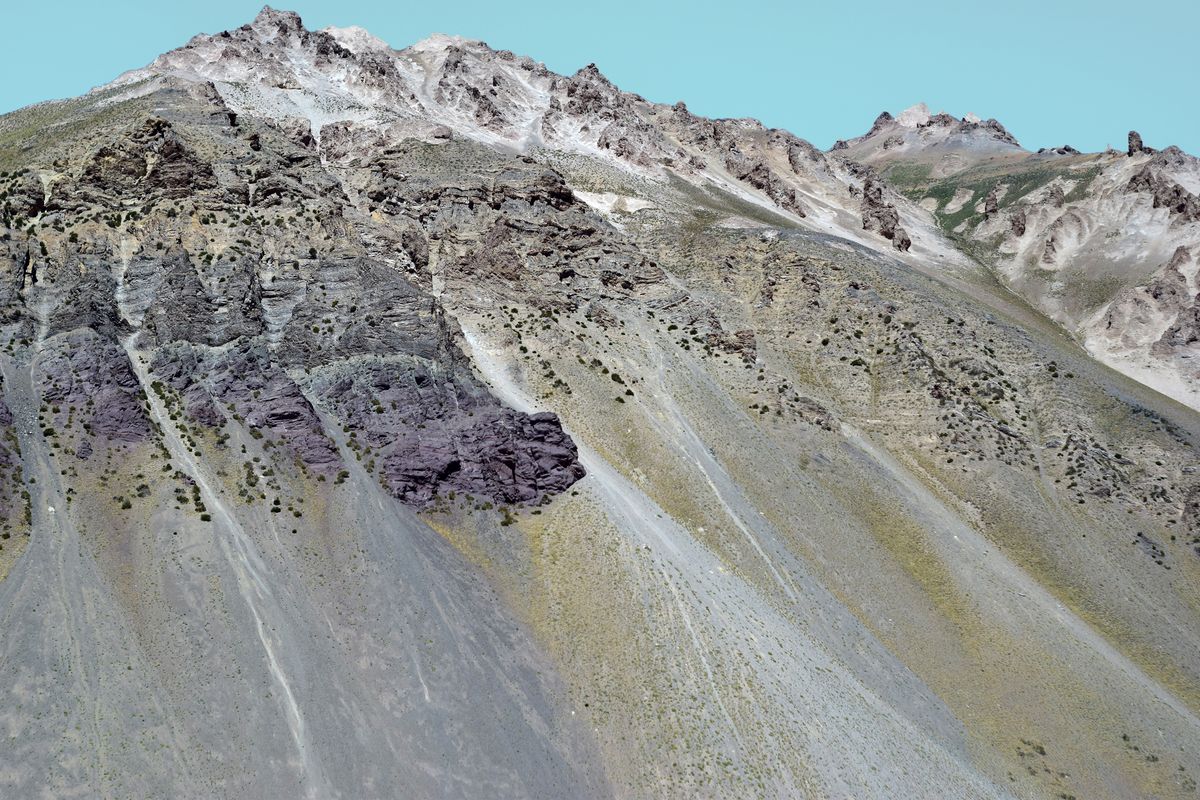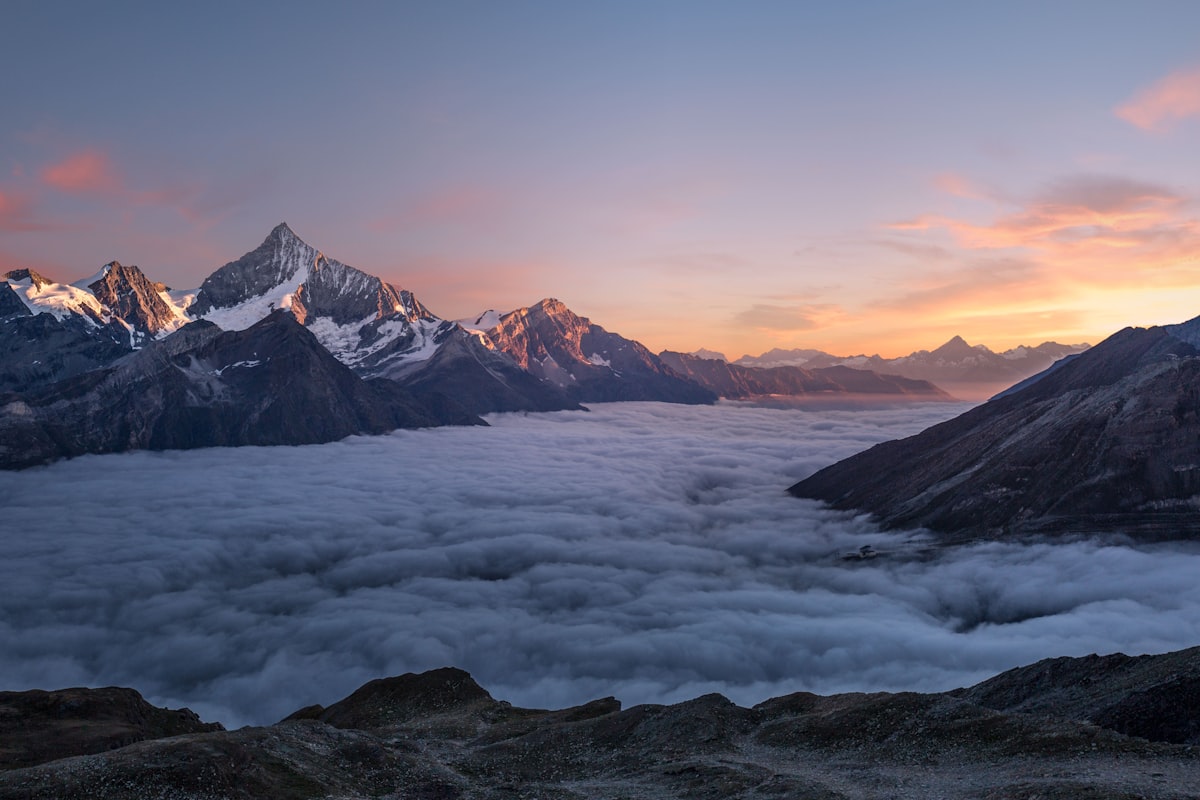

Mendoza is the largest wine-producing region in South America and one of the highest in the world. Vineyards sit between 800m and 1,500m on the eastern slope of the Andes. The Malbec is world-class. The steak is the second reason to come.
What most visitors do: fly in, stay in the city, eat one enormous steak, drink Malbec from a pitcher, fly out. What I’d suggest instead: drive the Uco Valley, eat the Malbec at its source, and keep steak to one exceptional meal in five days.
Day 1 – Mendoza City, Lightly
Fly into El Plumerillo (MDZ). Drive forty minutes south into the city – most hotels and rental cars are in the Chacras de Coria suburb, 15 minutes south of the centre. Settle in.
Skip the centre unless you’re a fan of San Martin’s city-planning. Do walk along Aristides Villanueva, the restaurant-and-bar street in the evening. For dinner, try Anna Bistro, a small place in Chacras run by an Argentine-Italian chef who does the kind of pasta you would walk back to the wine country for.
Drink: a glass of the house Torrontes. It’s the other Mendoza wine nobody talks about and most Argentines drink at home. Fresh, floral, almost dry. Aperitif material.
Day 2 – Maipu, The Old Wine Country
The drive south to Maipu is twenty minutes. The wine country there is the original Mendoza – irrigation canals from the early 1900s, low-elevation vineyards, historic bodegas.
Three stops:
- Bodega Trapiche – they have the original winemaking equipment, a small museum, and an actual underground cellar that’s cool in summer (relevant, you’ll be glad of it). Tasting is free.
- Bodega Zuccardi Valle de Uco is up north, do it Day 3. Bodega Zuccardi Santa Julia is in Maipu, do it today. Their introduction-to-organic-wine tasting is well done.
- Bodega Carinae – a small French-Argentine winemaker, organically farmed, real people. Buy their Malbec if they have it.
Lunch in Maipu: Club Tapiz restaurant, on the grounds of a working winery. The restaurant does a five-course tasting menu tied to the wines on their estate. Book ahead; it’s small.
Day 3 – Uco Valley, North
Drive north from the city, hour and a half, into the Uco Valley. The Andes get close. The vineyards climb toward 1,500m. The wines get more concentrated.
The drive is itself the day. Plan three wineries spaced along Ruta 40 (yes, the famous one):
- Bodega Zuccardi Uco – the flagship. Alvaro Zuccardi and his family have built a winery that’s equal parts architecture, art, and engineering. The food pairings in their restaurant are as good as the wine.
- Bodega Aleanna (El Enemigo – the cult wine) – by Adrianna Catena and Alejandro Vigil. The wine here is austere, high-altitude, old-vine. The cellar is small; book ahead.
- Bodega Catana – small operation, mountain vineyards, a winemaker who’ll come out and walk the vines with you if you ask. Their Malanche Malbec is the one to buy.
Lunch: eat at whichever winery has the better kitchen. Both Zuccardi and Aleanna have restaurants; Zuccardi is the better lunch, Aleanna the better snack.
For dinner, drive to the small town of Tunuyan and eat at Mama Cocina. It’s a restaurant that does Argentine home cooking – empanadas, carbonada, locro, the winter stew – and is exactly the antidote to five days of steakhouse menus.
Day 4 – Cooking, Or Rest
Two options:
Option A – Cooking class. Azacfran in Chacras runs a half-day Argentine cooking class where you make empanadas and chimichurri and drink wine through the class. Half the day, and you can drive to the Uco Valley in the afternoon for one more stop.
Option B – Rest day. Sleep late. Sit by the pool. Drink a glass of the morning’s leftover Malbec on the patio. Drive to the small spa town of Cacheuta in the afternoon; the termas (thermal baths) at the Hotel and Spa Termas Cacheuta are an honest Mendoza afternoon.
For dinner, eat something other than steak. El Mercadito in Chacras has the best plato de verduras asadas (roasted vegetables) in Argentina, which is not a thing most people say about Argentina, and yet.
Day 5 – Buenos Aires Is A Flight Away
Most Mendoza trips end on a flight back to Buenos Aires (or, for some of us, into EZE for a few days in BA). The flight is ninety minutes; you’ll be back for dinner.
If you have half a day: drive up the Potrerillos reservoir, about an hour west of the city. It’s a small lake in the mountains, the kind of place where Mendoza goes on weekends to picnic. One last empanada in the parking lot of the El Salto trailhead and you’re done.
The Wines To Bring Home
Argentine wine export laws are permissive – you can buy at the winery and ship yourself. These were my five favourites from the trip:
- Catena Zapata Adrianna Vineyard 2019 – the famous one, still affordable, still excellent.
- Aleanna El Enemigo Gran Enemigo 2018 – old-vine Malbec, 90% Malbec and 10% Cabernet Franc. Drink in five years. If you can find it.
- Zuccardi Poligonos San Pablo 2020 – single-parcel Malbec from 1,400m altitude. Concentrated, balanced, alive.
- Bodega Noemia A Lisa 2021 – Malbec from Patagonia, not Mendoza, but Noemia is one of the best producers in Argentina. Honest, unfussy, real.
- Bodega Caelum Reserve Malbec 2022 – the under-$20 bottle I bought for cooking and ended up drink.
What I’d Skip
- Bodega Norton – the architecture is 19th-century-villa-tourist-vineyard, and the wine is good but mass-produced. Go once, don’t go twice.
- The wine tour buses from Mendoza city – they’re slow and they take you to the bodegas that pay commissions. Drive yourself.
- Dinner at Azafran – it’s a beautiful room but the kitchen is built around the cooking class. Eat elsewhere.
The Trip, In Numbers
- 5 nights, 4 hotels (1 in city, 3 in Chacras)
- 9 wineries visited
- 32 wines tasted (most at the standard tasting portion)
- 6 bottles brought home (plus 2 that broke, see below)
- $120 spent on wine across the trip
- 1 steak eaten (on Day 2, the ojo de bife at Trapiche. The first and the right steak.)
- 0 regrets
The Andes do something to the wine here – they pull the heat down and the light up, and the Malbec drinks like a Malbec used to in Cahors, before Argentina invented its current style. Drink it on the slope. Drink it back home. Drink it.
Disclosure: I paid for every meal, every hotel, every glass, and the cooking class. This post contains affiliate links marked with to booking platforms I personally use; they do not change the price you pay and they do not change what I write.
Eleanor Vance