
The word for harvest in Portuguese is vindima, and in the Douro Valley it is not a quiet agricultural event. It is a month-long festival that takes over the whole region — the roads are busier, the quintas are full of visitors, the fermenting grapes fill the air with a sweet, sharp smell that is unlike anything else in wine country.
September is when the Douro harvest happens, and it is the only month when the valley is fully itself. The other months have their own beauty — the spring green, the winter quiet — but September has the vindima, and the vindima is why you’re here.
Why September Is Different
The Douro Valley’s climate is extreme by European standards. Summers are hot and dry, winters are cold, and the schist terraces of the vineyards — the socalcos, those stone-walled steps climbing the steep valley sides — absorb and radiate heat in ways that make viticulture possible where it should not be.
The grapes that grow here, primarily Touriga Nacional, Touriga Franca, Tinta Roriz, and Tinta Barroca, have evolved to handle this stress. They produce wines of extraordinary concentration and structure, which is why the Douro is one of the world’s great red wine regions even aside from port.
The harvest date varies slightly each year depending on the summer. A hot, dry summer accelerates ripening; a cooler one extends it. But September is always the month, because the grapes need those final weeks of heat to develop the concentration that makes Douro wine distinctive.
The Quintas to Visit
Quinta do Crasto (Marao): One of the most beautifully situated quintas in the Douro, with terraced vineyards above the river. They produce both port and serious Douro table wines. The views alone are worth the visit.
Quinta do Vallado (Regua): A historic quinta that has been in the same family for over a century, now run by the granddaughter of the original owner. They make an excellent range from entry-level Douro reds to their sophisticated Field Blend from old vines.
Quinta do Vesúvio (Sao Joao de Pesqueira): One of the highest-altitude quintas in the Douro, producing wines of particular elegance and structure. Visits are by appointment but enthusiastically recommended.
Niepoort (Regua): Dirk Niepoort’s operation is one of the most thoughtful in the Douro. His Batuta and Charme wines are serious, terroir-driven Douro reds that stand among the best the region produces.
What to Drink
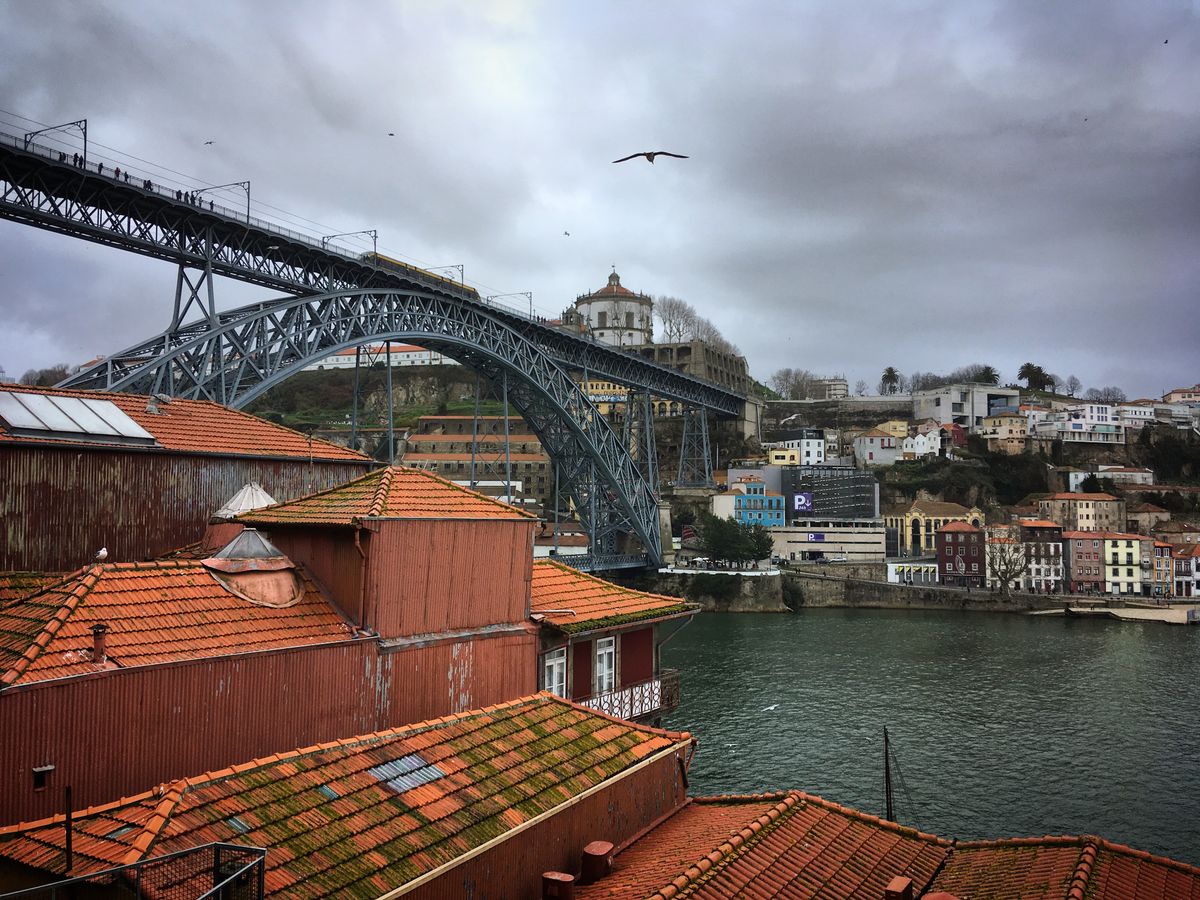
The easiest mistake in the Douro is to drink too much port. The Tawny and Vintage ports are exceptional, and the cellars in Vila Nova de Gaia — across the river from Porto — are genuinely worth visiting. But the Douro table wines are the more interesting story.
Look for wines from the Douro Superior, the eastern section of the valley where the climate is most extreme and the wines most distinctive. Niepoort’s Batuta, Niepoort’s Reference, and Luis Seabra’s wines are worth seeking out. The Douro is having a quality moment that hasn’t fully reached international markets yet; drink it here.
The Practical Information
Fly into Porto and rent a car. The valley is about two hours east. Base yourself in the valley for two or three nights — there’s enough to see, and the drive back to Porto after a full day of tasting is not appealing. The towns of Regua and Pinhao are the practical centers, but smaller quintas with rooms — like Quinta de Sao Bernardo near Regua — offer more atmosphere.
Book tastings in advance, especially during September weekends. The quintas are busy.