
The Côte de Nuits begins at Dijon, or thereabouts, and runs south for about twenty kilometers before giving way to the Côte de Beaune at Corgoloin. It is not a dramatic landscape. The hills are gentle, the villages are small, and the vineyards — separated from the road by stone walls, hedgerows, and the occasional long drive to a famous estate — look from a moving car like any other French farmland.
This deceptive modesty is part of what makes the Côte de Nuits so difficult to understand and so impossible to forget once you do.
The Geography That Changes Everything
The Côte de Nuits sits at the edge of a geological fault where the limestone plateau that defines Burgundy’s best vineyards drops away to the east. The orientation of the slope — east-facing, protected from the prevailing west winds, catching the morning sun — creates a microclimate that is both warmer and drier than the flat plain to the west.
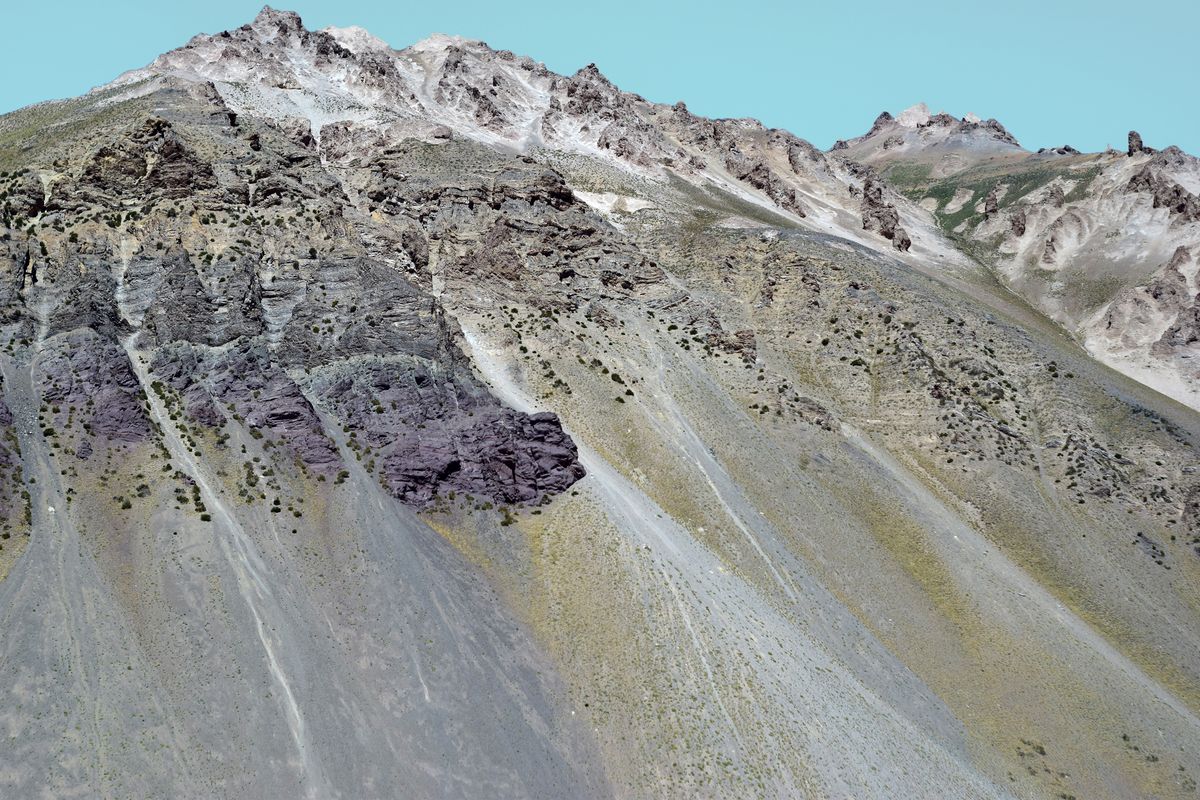
Within this narrow band, the soil changes repeatedly as you move south. At the northern end, near Fixin and Gevrey-Chambertin, the limestone is more limestone-heavy: compact, dense, and suited to the powerful, structured wines that come from this part of the Côte. As you move south through Chambolle-Musigny and into Vosne-Romanée, the soil becomes more complex: limestone mixed with clay, iron-rich red soils in the lower slopes, lighter scree at the top. The wines from Vosne are generally considered the most complex and nuanced in Burgundy; the wines from Gevrey are generally considered the most powerful.
These distinctions matter enormously to the producers who work here, and they matter to the wine. The appellation system in Burgundy attempts to encode them, but it does so imperfectly: two vineyards separated by a stone wall may be Grand Cru and Premier Cru, and the wine from each might cost a factor of ten difference. The wall is often invisible to the drinker.
The Villages and Their Wines
Gevrey-Chambertin is at the northern end of the Côte de Nuits and produces the most powerful, tannic wines in the region. The Grand Cru vineyards — Chambertin itself, Clos de Bèze, Latricières-Chambertin, Mazoyères-Chambertin, and others — are concentrated on a relatively small area above the village. These wines need time: five years minimum, often fifteen or more before they open.
Vosne-Romanée is the center of the Burgundy universe. Romanée-Conti — the most famous vineyard in the world — is here, along with La Tâche, Richebourg, Romanée-Saint-Vivant, and Échezeaux. The wines from this village have a combination of power and perfume that is difficult to describe and immediately recognizable once you’ve tasted it. They are also, with very few exceptions, extraordinarily expensive.
Chambolle-Musigny sits between Gevrey and Vosne and makes wines that are generally lighter, more aromatic, and more graceful than either neighbor. The Chambolle “feminine style” — a term used by producers but disputed by critics — emphasizes elegance and fragrance over structure. Les Amoureuses, the Premier Cru that many people consider the finest in Burgundy outside the Grand Cru, is here.
The Practical Approach
You cannot understand the Côte de Nuits in a single visit. The best approach is to choose two or three villages and focus there, tasting at the domaines rather than at generic wine bars. The domaines in Gevrey, Vosne, and Chambolle all receive visitors, and the producers who receive visitors are not always the most famous — the famous estates are often too busy to accommodate casual tasting requests.
Plan for meals in Beaune, the regional capital to the south, where the restaurants are better and the prices are more reasonable than in the Côte de Nuits villages themselves. Drive the wine road on a weekday morning when it is quiet. Stop at the vineyards and look at the vines. The soil at the base of the slope is different from the soil at the top, and once you understand that, the wine starts to make more sense.