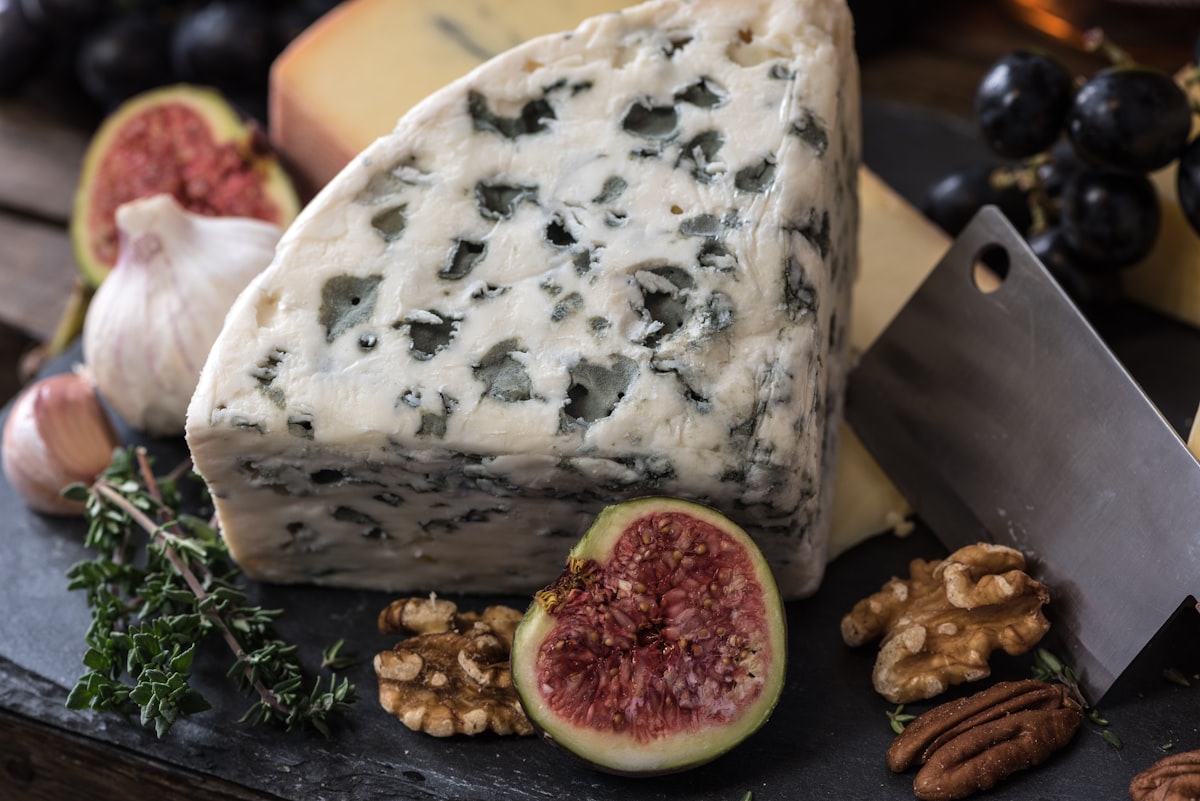

The conventional wisdom about cheese and wine pairing — red wine with cheddar, white wine with goat cheese, Champagne with brie — is so aggressively unhelpful that it has probably done more damage to good meals than anything else in the wine world. It gives beginners a rule that works often enough to feel reliable and fails spectacularly often enough to make them wonder why they bother.
The actual principle is simple: fat amplifies tannin, acidity cuts through fat, and salt ties everything together. Every good cheese and wine pairing is some version of this principle in practice.
Why Most Pairings Fail
The most common mistake is matching intensity with intensity without considering texture. A powerful aged cheddar with a tannic Barolo sounds logical — both are intense — but the combination can become overwhelming, because the fat in the cheese coats your palate and amplifies the tannins in the wine, making both taste more aggressive than they are alone.
The second mistake is not understanding what the cheese is. A soft, bloomy-rind cheese like Brie de Meaux has a very different relationship with wine than a hard, aged Parmesan, even though both are technically “cheese.” The texture and intensity of the cheese determines what kind of wine it can handle.
The Five Pairings That Actually Work
Sancerre and Crottin de Chavignol. The goat cheese from the Loire village of Chavignol has an acidic, slightly tart intensity that finds its mirror image in the Sauvignon Blanc of Sancerre. The flinty, mineral quality that good Sancerre shows is a perfect counterpoint to the cheese’s earthy, barnyard character. This is one of those pairings where the wine and the food seem to have been designed for each other, which is roughly true: both come from the same limestone hillsides above the Loire.
Oloroso Sherry and aged Manchego. Oloroso is a nut-brown, fortified wine from Jerez that has the intensity of a small meal. Aged Manchego — the 12-month or 18-month variety — is similarly concentrated, with a crystalline texture and a pronounced nutty sweetness. The wine’s oxidative richness and the cheese’s caramelized milk notes create a combination that is greater than the sum of its parts.
Barolo and Parmigiano-Reggiano. Nebbiolo’s tannins are fierce, but they need something to soften them. Parmigiano-Reggiano, aged 36 months or more, has a crystalline texture and a salty, umami-rich intensity that doesn’t just stand up to Barolo — it makes the wine taste softer, rounder, and more approachable than it does on its own. The fat in the cheese doesn’t coat the tannins the way younger cheese does; it integrates with them.
Alsace Riesling andMunster. This is the Alsace pairing that every Alsace producer will tell you about, usually with some insistence. The intensely aromatic, pungent, washed-rind Munster needs a wine with enough acidity to cut through its richness and enough fruit to stand up to its earthiness. Dry Riesling from Alsace — look for Willm, Zind-Humbrecht, or Trimbach — does exactly this. The wine’s petrol and citrus notes cleanse the palate, and the acidity slices through the cheese’s fat.
Champagne and aged Comté. The nutty, caramelized notes of aged Comté find their echo in the toasty, brioche quality of properly aged Champagne. This pairing works especially well with Vintage Champagne that has seen significant time on its lees, or with a Blanc de Blancs with a few years of age. The bubbles scrub the palate between bites, and the wine’s richness matches the cheese’s intensity without overwhelming it.
The One Rule to Remember
If you remember nothing else: salt is the connector. Salty foods make wine taste fruitier and more complete. If you’re uncertain about a pairing, add salt — on the food, or by choosing a cheese with more age and therefore more natural salinity — and the pairing will almost always improve.