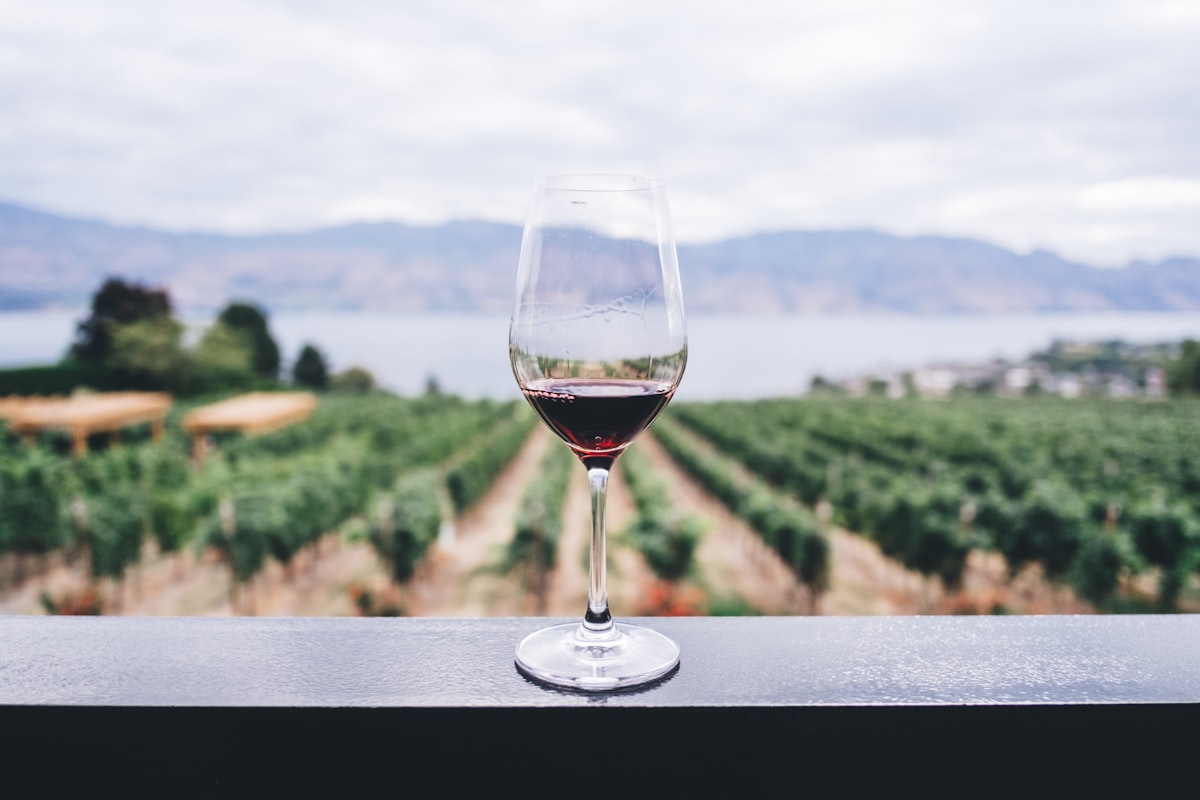

Alsace is the part of France that borders Germany, and the wine it produces reflects that. The grapes are Germanic — Riesling, Gewürztraminer, Pinot Gris, Muscat — and the wines are labelled by variety rather than by region, which confuses wine drinkers accustomed to the French norm of regional labelling.
The region also has one of the most rigorous Grand Cru systems in the world: 51 vineyards designated as capable of producing wine of the highest quality, all of them on steep, east-facing slopes that catch the morning sun and protect against the cold north wind.
The Route
Base yourself in Colmar — the region’s most beautiful town, small enough to walk in an afternoon, close enough to everything that matters. Fly to Basel or Strasbourg, both 40 minutes by train.
Day One: The Main Villages
Riquewihr — postcard-perfect, too perfect, but the producers here are serious. Dopff au Moulin makes the Cuvée Emile Zouly Riesling that is the reference for what Alsatian Riesling can be: dry, mineral, long, built for food.
Kaysersberg — birthplace of Physicians and wine producer Albert Boxler. Boxler’s Herrenweg Riesling is one of the great bargains of European wine. The Brand Grand Cru is extraordinary but requires patience and a willingness to spend.
Eguisheim — the village that gives Colmar competition for beauty. The streets radiate from the castle at the centre like spokes from a wheel. Wolfberger has a good cooperative tasting room here.
Day Two: The Grand Cru Road
The Route des Vins d’Alsace runs north from Marlenheim to Thann through 67 villages and 100km of some of the most consistent vineyard scenery in the world.
Moenchreffen — the Grand Cru vineyard that belongs to Egon Müller (yes, the same Egon Müller who makes the great Rieslings of the Mosel). Alsatian Egon Müller is different: richer, more structured, made for longer ageing.
Schlumberger — the largest estate in Alsace, producing serious wine at reasonable prices. The Gewürztraminer Grand Cru Kitterlé is the entry point into what Grand Cru wine actually means.
Trimbach — founded in 1626, making Riesling with the same philosophy they presumably used in 1626: dry, mineral, Germanic, uncompromising. The Clos Sainte Hune Riesling is the trophy wine. The Riesling is what you buy every year.
The Grapes
| Grape | Style | What to Buy |
|---|---|---|
| Riesling | Dry, mineral, high acidity | Trimbach, Boxler, Zind-Humbrecht |
| Gewürztraminer | Perfumed, lychee, full-bodied | Schlumberger, Dopff, Turckheim |
| Pinot Gris | Rich, smoky, off-dry | Albert Mann, Zind-Humbrecht |
| Muscat | Light, aromatic, dry | Trimbach, Beyer |
The Honest Assessment
Alsace has a packaging problem. The bottles — tall, green, with distinctive flûte necks — signal Germanic seriousness in a French wine world that rewards French aesthetics. The producers are less fashionable than their Burgundian counterparts. The Grand Cru system is rigorous but poorly marketed.
None of this changes the wine. Zind-Humbrecht’s Clos Hausser Pinot Gris is one of the most extraordinary white wines made anywhere. Boxler’s Brand Riesling, from 50-year-old vines on volcanic soil, is a wine that changes how you understand what Riesling can do.
The Alsace wine tourist has the vineyards almost to themselves in June. The serious wine drinker has the cellars to themselves in October. Both are good reasons to go.
Disclosure: This post contains affiliate links marked with ✱ to booking platforms I personally use; they do not change the price you pay and they do not change what I write.